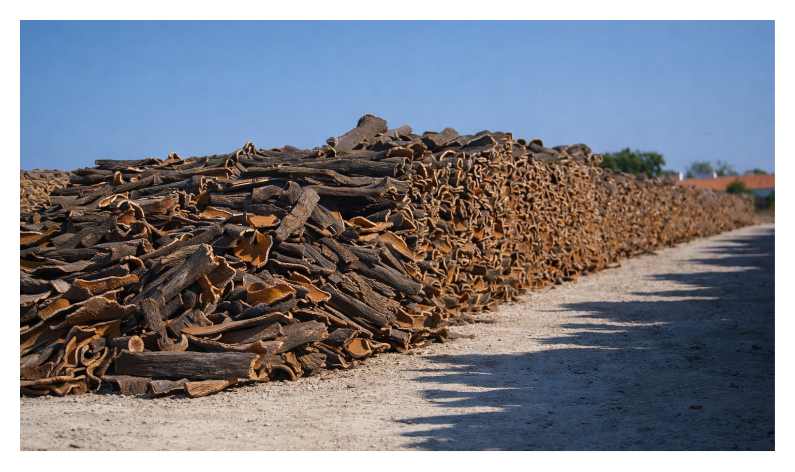
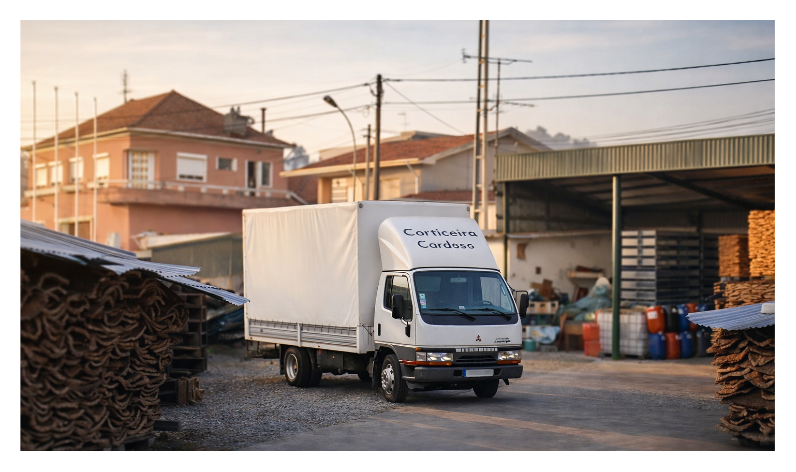
Este é um dos pontos mais importantes de todo o processo. Na Corticeira Cardoso, todas as pilhas de cortiça antes de serem compradas são sujeitas a uma análise de TCA; Apenas as cortiças de melhor qualidade são adquiridas pela Corticeira Cardoso.
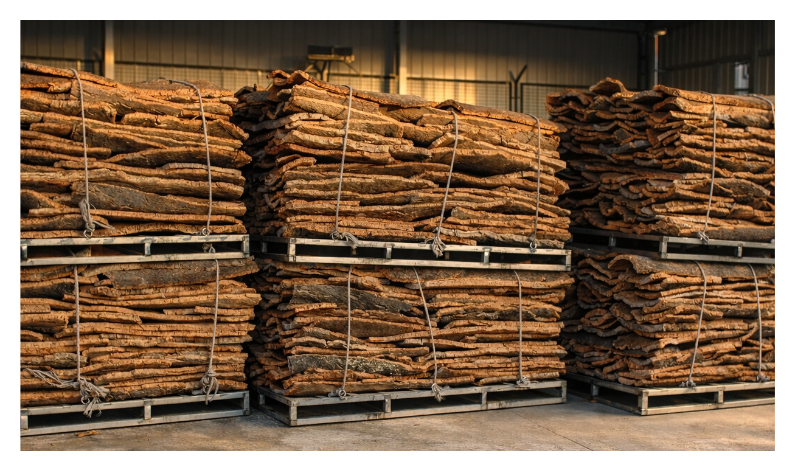
Upon receipt of the cork, wedges, yellow stains, and green cork are removed. After this initial selection, the cork is stored for a minimum period of six months in stacks built on a concrete floor and supported by beams to improve air circulation and allow faster drying.
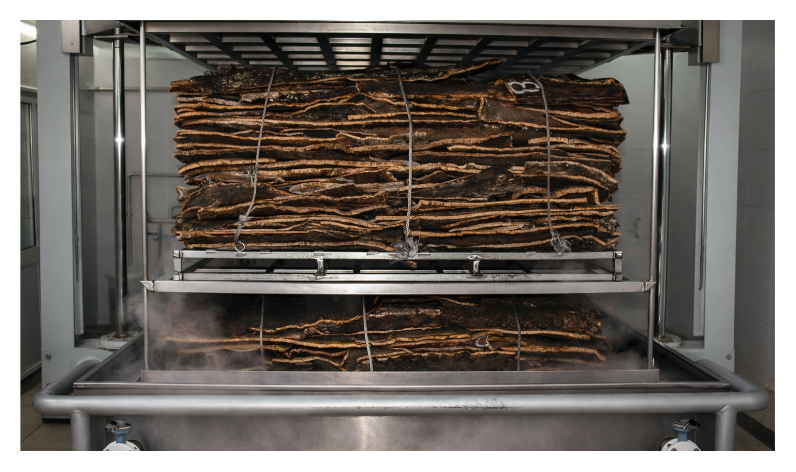
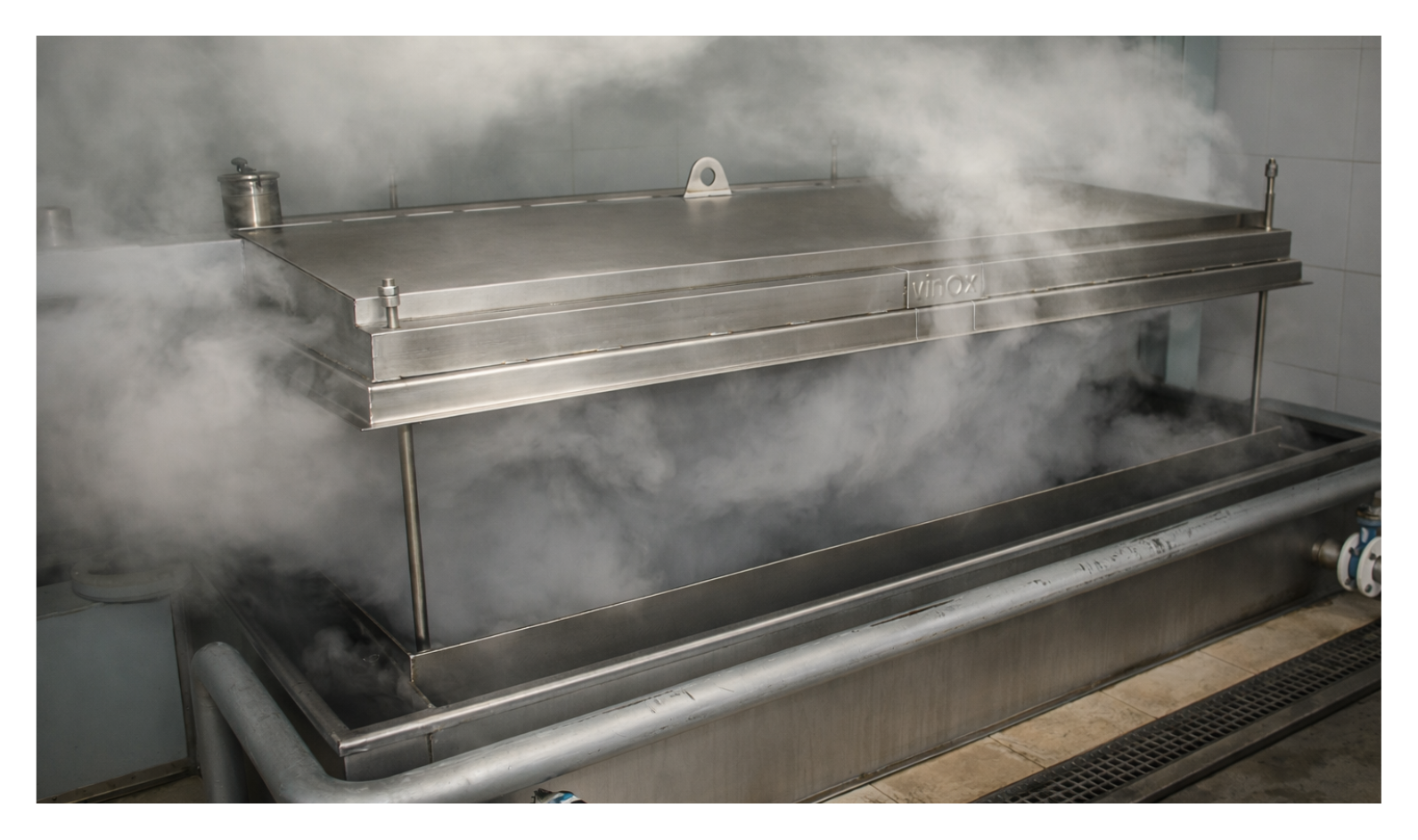
This is a fundamental stage of the entire production process, as it is during this phase that all volatile contaminants present in the cork are removed. The process consists of immersing the cork in previously filtered water at a temperature of approximately 100°C. In 2006, Corticeira Cardoso installed a new-generation boiler. By boiling only one tonne per cycle, with a maximum of six cycles per day, water circulation is improved, increasing the extraction capacity for contaminants and tannins. This new process also reduces the cork stabilization period after boiling from two weeks to just three days, thereby reducing the possibility of microorganisms developing that could alter the organoleptic properties of the cork.
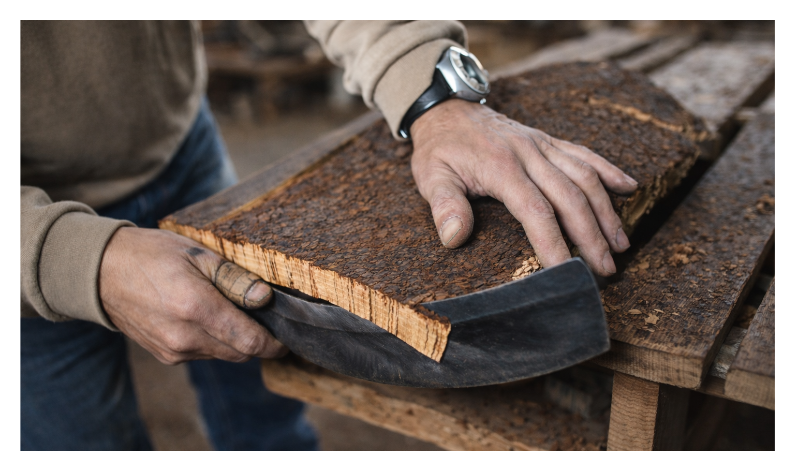
At this stage of the process, corks are sorted by calibre (thickness) and quality, and any defects in the cork are removed.
This is a process used by Corticeira Cardoso, whereby steam is used to disinfect and deodorise the cork before it is used in the production of stoppers.
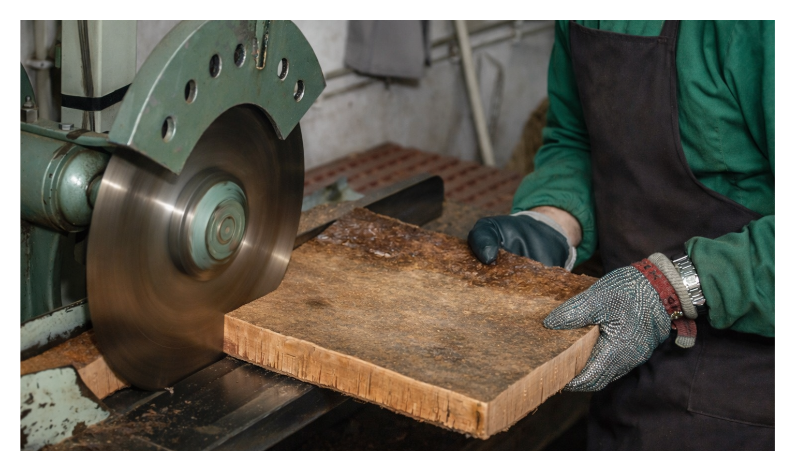
The cork planks are cut into strips (slices) with a width greater than the length of the stopper we wish to produce.
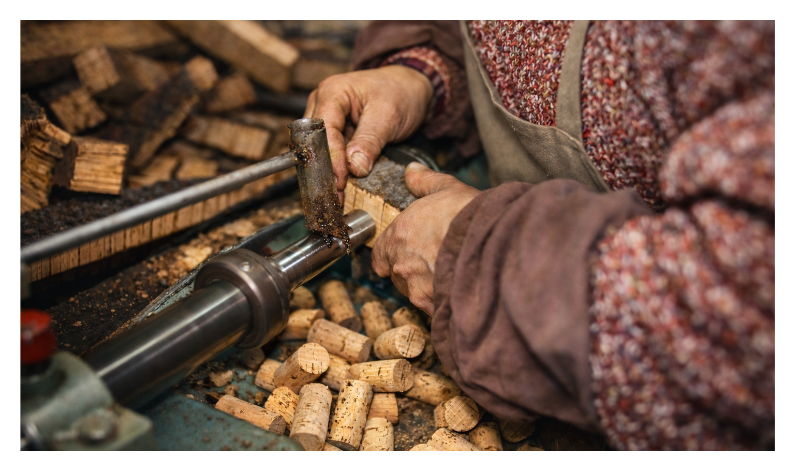
The strips are pierced with a tube of a diameter greater than that required for the stoppers.
After punching, the stoppers are subjected to a dehumidification process until they reach a relative humidity of between 5% and 8%. The purpose of this operation is to ensure dimensional stability and to prevent microbiological contamination.
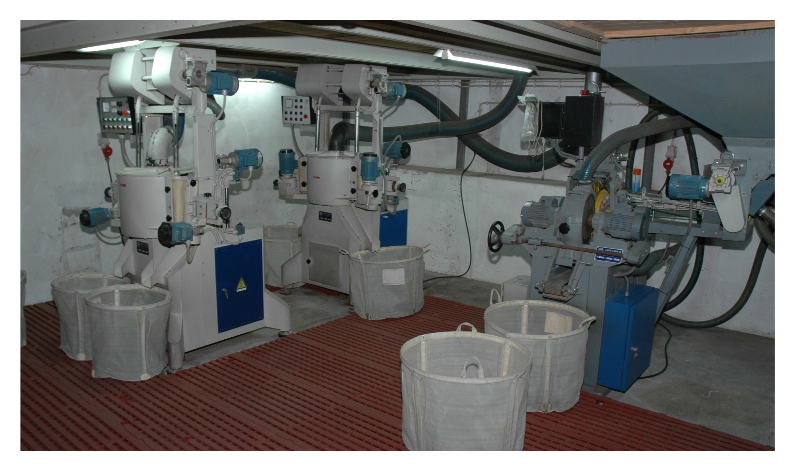
At this stage, the stoppers are dimensionally rectified to the pre-established measurements.
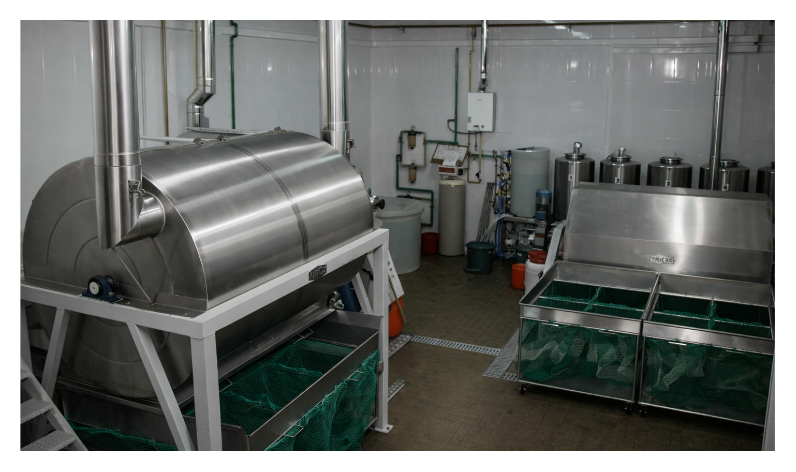
This is another very important stage of the process. Through this operation, the stoppers are disinfected using hydrogen peroxide.
After the stoppers have been disinfected, they are subjected to a drying process divided into two stages:
a) Rotary drying, which prevents the yellowing of the stoppers during the first stage, when they are still very damp;
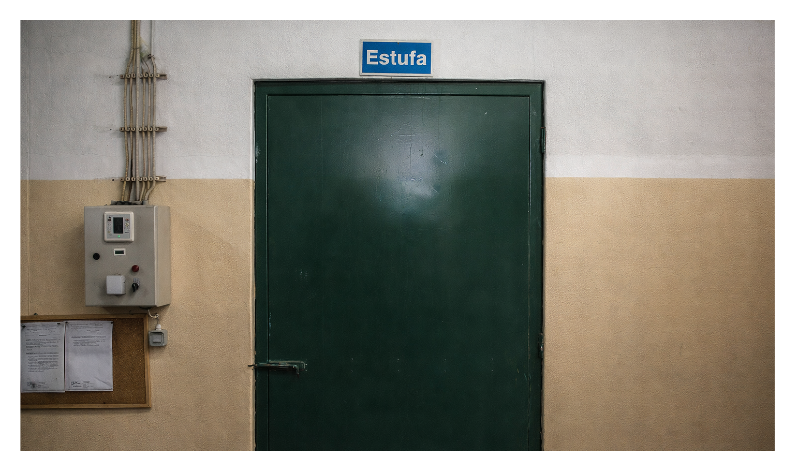
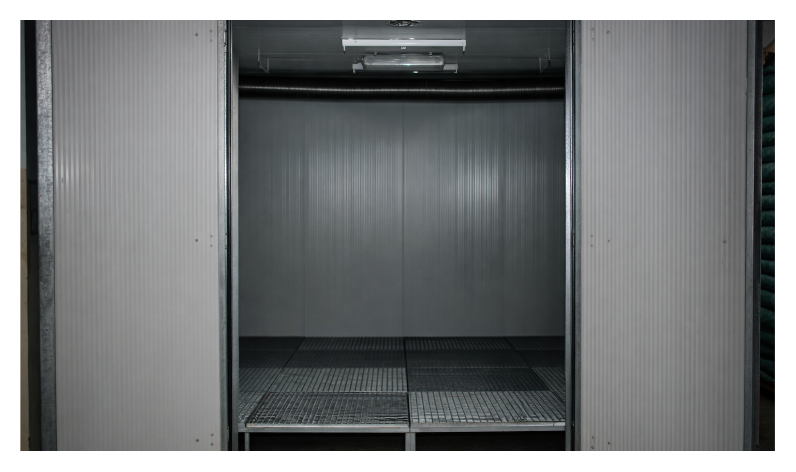
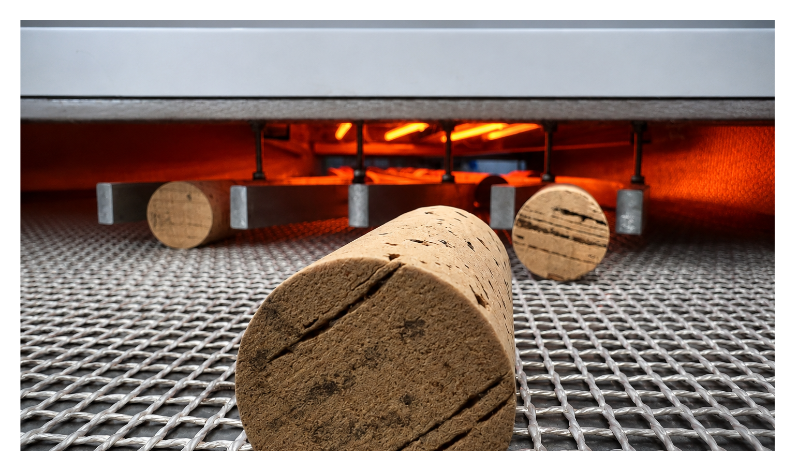
b) Oven drying in an ozone environment, where the stoppers stabilise their moisture content to the required parameters.
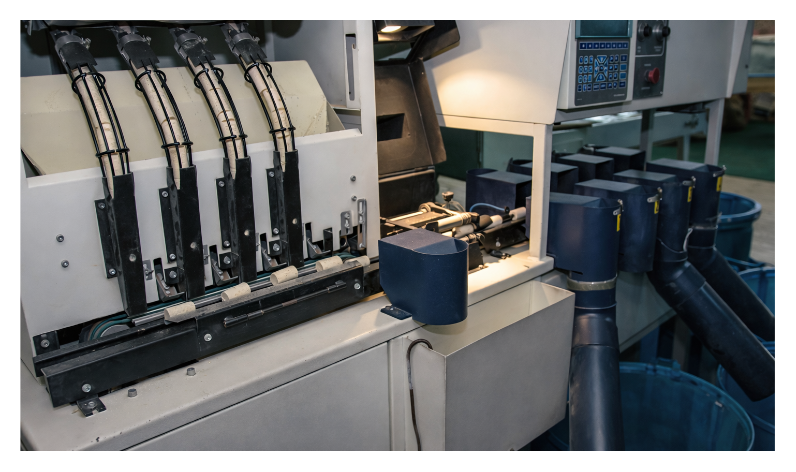
After the stoppers have been dried, they are classified by quality. In the first stage, the stoppers are sorted into eight classes by a digital vision machine, according to their porosity and defects. In the second stage, the stoppers are manually selected in order to match the standard sample agreed with the Client and to eliminate critical defects.
STH control is a sensory check carried out individually, stopper by stopper. This check is performed by a technician and allows the detection and elimination of all undesirable odours that may cause sensory deviations in the wine.
Marking
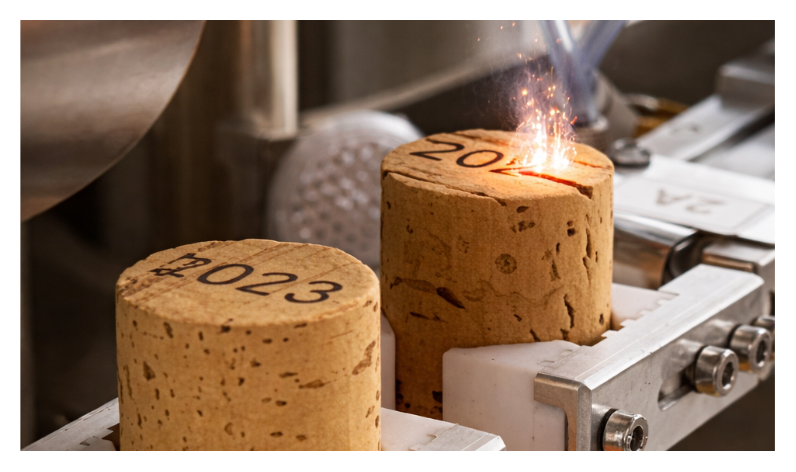
This is the customisation of stoppers for each Client, in accordance with their specifications. This process can be carried out using traditional methods or by laser marking, ensuring high precision, durability, and a high-quality finish.
Surface Treatment
At this stage, a treatment is applied to the stoppers to facilitate their insertion into bottles, their extraction, and to improve their sealing properties.
The stoppers are packaged in polyethylene bags under vacuum and with SO2 to prevent any microbiological contamination.


 LOGIN
LOGIN